Small ways to make room for the people in front of you
Connection usually needs less grand planning and more small, generous pockets of time.
By Present Tense. ·
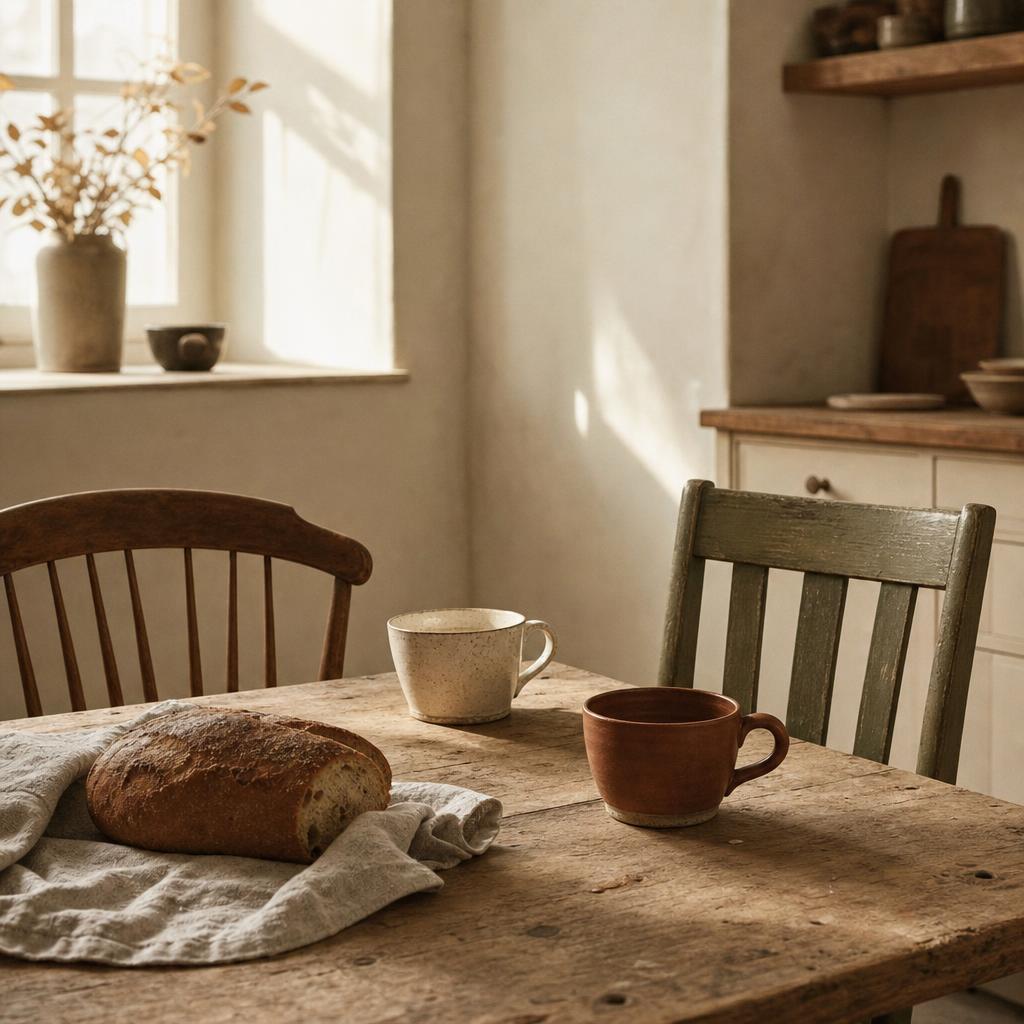
It is easy to think connection needs an occasion. A dinner booked three weeks ahead. A big conversation. A holiday. Sometimes it does. More often, it starts in the smaller gaps: the few minutes before dinner, the short walk, the unscheduled cup of tea.
The people we care about do not always need a better version of us. They usually need a little more of the version that is already there.
Ask a question that cannot be answered with fine
“How was your day?” has earned a rest. Try something with a little more room in it instead.
What was the best boring part of today? What are you looking forward to that no one else would understand? What have you been thinking about lately? What would make this week feel slightly better?
The question does not need to be clever. It just needs to invite a real answer.
Leave the phone out of the centre
A device can be nearby without becoming the third person in the room. Put it on charge during dinner. Leave it in another room while someone tells you a story. Keep it face down while you are walking together.
This is not about proving that you are above your phone. It is simply a way of making the person in front of you feel like they arrived first.
Do something alongside each other
Connection is not always built through eye contact and a deep question. Sometimes it grows while you cook, garden, build a flat-pack shelf, fold washing or sit by a pitch in bad weather.
A shared task removes some pressure from the conversation. It lets people speak when they want to, and be quiet when they do not.
Be willing to linger
A lot of good moments get cut short because we are already halfway to the next thing. Stay for one more cup. Walk the long way home. Sit at the table once the meal has finished.
Time is not always something you find. Sometimes it is something you stop giving away too quickly.
Keep reading.
All Notes
A less automatic evening: small ways to change the pace
A few low-effort ways to make an evening feel a little less automatic, with more room for attention, ordinary rituals and the people around you.
Read note
The lost art of doing one thing at a time
Doing one thing at a time is not a productivity trick. It is a way of being more available to the thing—and person—in front of you.
Read notea quieter note, once a week.
small ideas for being where you are. no noise. no hard sell.